Most spray foam jobs in North Idaho land between $1.50 and $5.00 per square foot of surface area, and the spread comes down to three things: which foam you use, how many inches you need, and how hard the space is to reach. This guide breaks the number down so you can read a bid instead of guessing at one.
What’s in this guide
2026 spray foam price ranges
Spray foam is usually quoted per square foot of surface area at a stated thickness, or per board foot (one square foot at one inch thick). Here is where 2026 pricing generally sits. These are planning ranges — the only number that matters for your building is the one on a written quote after someone has measured it.
| Foam type | R-value per inch | Typical installed cost | Where it fits |
|---|---|---|---|
| Open-cell | R-3.5 to R-3.8 | $1.50 – $3.50 / sq ft | Interior walls, sound control, deep cavities and vaulted ceilings where thickness is available |
| Closed-cell | R-6 to R-7 | $3.00 – $5.00 / sq ft | Crawl spaces, rim joists, metal buildings, roof decks, anywhere thickness is limited or moisture is a concern |
| Hybrid (flash and batt) | Varies | Between the two | A closed-cell air-seal layer plus fiberglass or blown-in to reach the required R-value at lower cost |
Watch the minimum. Spray foam rigs cost money to mobilize, so most contractors — us included — carry a job minimum. That means a very small area can cost more per square foot than a whole house. If you have several small areas to address, doing them in one visit is almost always cheaper than three separate trips.
What it costs by area of the building
Rough planning figures for a typical North Idaho home. Every one of these assumes a walkthrough first — a 1930s farmhouse outside Harrison and a new build in Hayden with the same square footage are not the same job.
| Area | What is typically specified | Notes that change the price |
|---|---|---|
| Crawl space walls and rim joist | 2–3" closed-cell | Access height, standing water, whether old batts have to come out first |
| Rim joist only | 2–3" closed-cell | Small area, so the job minimum usually governs |
| Unvented roof deck / cathedral ceiling | Closed-cell, or a hybrid to hit code R-value | Roof pitch, rafter depth, whether the assembly is being converted from vented |
| Attic floor | Blown-in over an air-sealed lid, or foam at the deck | Which strategy fits your house is a design decision, not a preference |
| Exterior walls, new construction | Open-cell, closed-cell, or flash-and-batt | Cavity depth and the wall R-value you have to meet |
| Shop, garage or pole barn | Closed-cell at the roofline | Ceiling height, whether the building is heated, condensation control — see our pole barn guide |
The five things that move your price
- Thickness, not area. Foam is priced by volume. Going from 2" to 3" of closed-cell is a 50% increase in material on that surface. This is why the R-value you are targeting matters more than the size of the room.
- Access. A 30-inch crawl space, a two-story gable wall, or a shop packed with equipment all add hours. Clearing the space before we arrive is the cheapest thing you can do to lower a bid.
- Removal and prep. Pulling out wet fiberglass, rodent-damaged batts or old vapor barrier is separate labor and separate disposal.
- Thermal or ignition barrier. Code requires foam to be covered — drywall in living space, or an approved ignition barrier coating in attics and crawl spaces entered only for service. If your quote does not mention it, ask.
- Season and scheduling. Foam has substrate temperature requirements. Mid-winter work in an unheated building may need temporary heat, which is a real line item in January in Bonner and Kootenai counties.
Spray foam vs. batts and blown-in
Spray foam costs more per square foot than fiberglass. The honest comparison is not sticker price, it is what each product does:
- Fiberglass batts are the cheapest way to fill a cavity, and they perform well when installed perfectly in a cavity that has already been air-sealed. They do nothing about air movement on their own.
- Blown-in covers an attic floor well and is hard to beat on cost per R in an accessible attic.
- Spray foam is insulation and air barrier in one pass, and closed-cell adds moisture control. In a climate that runs from below zero to smoke-season heat, the air-sealing is usually where the comfort difference comes from — not the R-value on the label.
Often the right answer is a mix: foam where air sealing and moisture control matter, blown-in where you just need depth. We will tell you when a cheaper material does the job.
How to read two bids that don’t match
When one quote comes in thousands lower, it is almost always one of these:
- Different thickness. 2" of closed-cell and 3" of closed-cell are different products in practice. Compare inches, not totals.
- Different foam. Open-cell at the same thickness costs less and delivers roughly half the R-value.
- Prep excluded. Removal, disposal, masking and protection left out of one bid and included in the other.
- Barrier excluded. The coating or drywall needed to satisfy code left for “someone else.”
- No R-value stated. A bid that does not tell you the finished R-value is not a bid you can compare.
Ask for one line: “What R-value will this assembly have when you are finished, and what does code require here?” A contractor who cannot answer both halves of that question quickly is not the one you want on a roof deck. Our code guide covers what North Idaho requires.
Getting a real number for your building
NW Spray Foam & Insulation is a family-owned, owner-operated crew based in Hayden, working across Coeur d’Alene, Post Falls, Sandpoint, Harrison and the surrounding North Idaho communities. We measure, tell you which foam the assembly actually calls for, state the finished R-value in writing, and price the prep and the barrier as line items rather than surprises.
See the work in our project gallery, read more about spray foam insulation, or ask us for an estimate.
Frequently asked questions
How much does spray foam insulation cost in North Idaho?
Most jobs land between $1.50 and $5.00 per square foot of surface area installed. Open-cell typically runs $1.50 to $3.50 per square foot and closed-cell $3.00 to $5.00 per square foot, with the final number driven by the thickness required, how accessible the space is, and whether old insulation has to be removed first. Most contractors also carry a job minimum, so small areas cost more per square foot than large ones.
Is spray foam worth it compared to fiberglass?
It costs more per square foot than batts or blown-in, and it does more: it insulates and air-seals in a single application, and closed-cell also controls moisture. In a cold climate the air sealing is usually where the comfort difference comes from. Often the best value is a mix, using foam where air sealing and moisture control matter and cheaper materials where you only need depth.
Why do spray foam quotes vary so much?
Usually because they are not quoting the same thing. Check the foam type, the installed thickness in inches, whether removal and disposal of old insulation is included, and whether the required thermal or ignition barrier is in the price. A quote that does not state the finished R-value cannot be compared to one that does.
Does spray foam need to be covered?
Yes. Building code requires foam plastic to be separated from the interior by an approved barrier, typically a 15-minute thermal barrier such as half-inch gypsum board in living space, or an approved ignition barrier in attics and crawl spaces entered only to service utilities. Confirm what applies to your project with your building department.
Need a number for your building?
NW Spray Foam & Insulation is a family-owned, owner-operated crew in Hayden serving Coeur d’Alene, Post Falls, Sandpoint, Harrison and the surrounding North Idaho communities. Tell us what you are building or fixing and we will spec it properly and put it in writing.
Request an estimate Call (208) 818-4170More insulation guides
Insulation 101
Closed-Cell vs Open-Cell Spray Foam in a Cold Climate
August 21, 2026 · 7 min read
R-value per inch, vapor permeability and where each foam belongs in a climate that spends months below freezing.
Read the guide →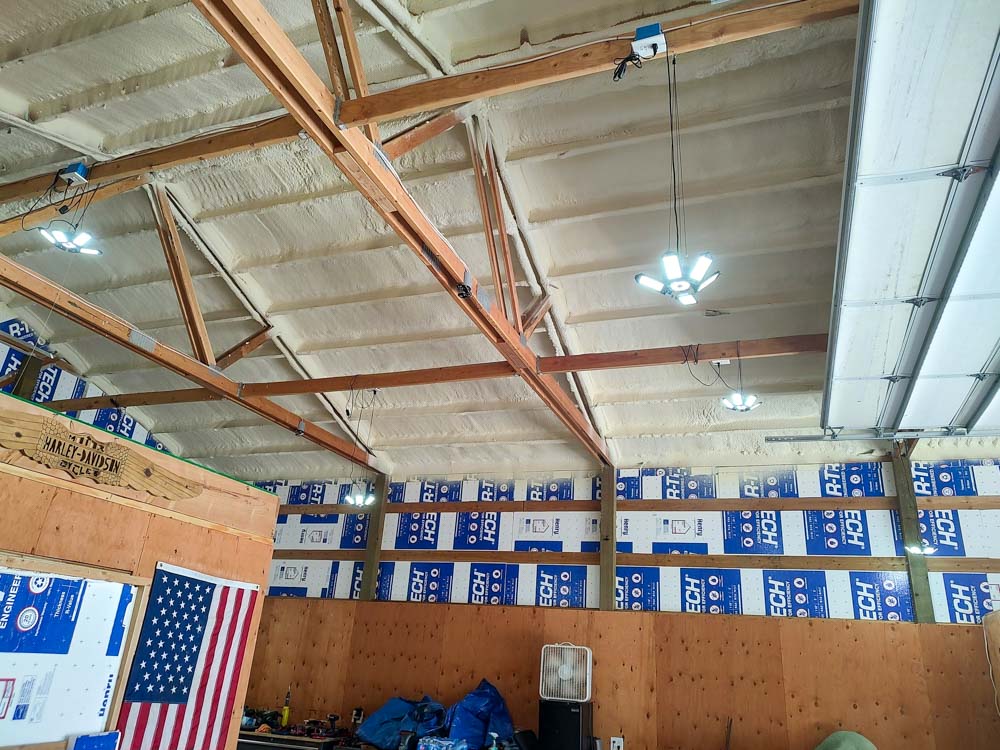
Shops & Metal Buildings
Insulating a Pole Barn or Shop in North Idaho
August 21, 2026 · 8 min read
Why condensation control, not R-value, drives the specification on steel buildings, and what actually works on a heated shop here.
Read the guide →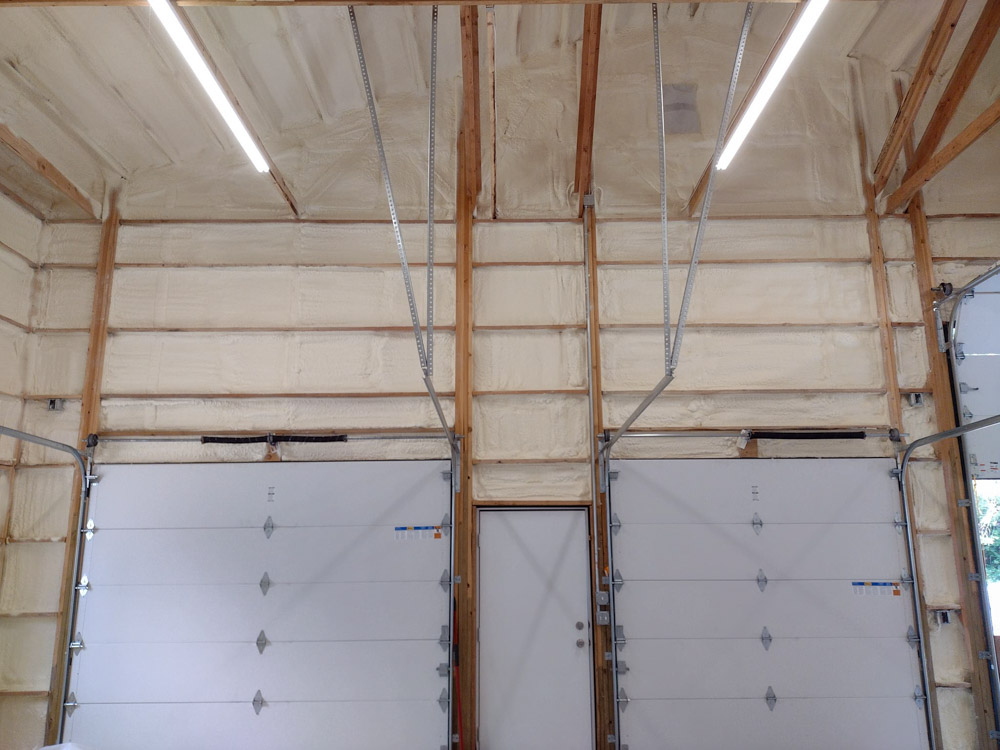
Permits & Code
What R-Values Does North Idaho Code Require?
August 21, 2026 · 7 min read
Climate zone 6 targets for ceilings, walls, floors and crawl spaces, what the Idaho amendments changed, and the air-sealing requirement people forget.
Read the guide →